
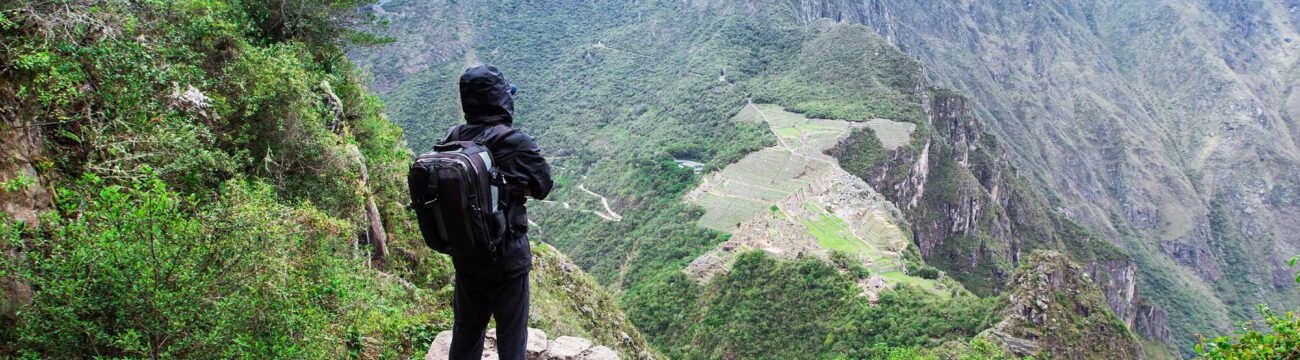


Lares Trek to Machupicchu is the best alternative trekking route if you do not have the permits for the classic Inca Trail to Machupicchu; the trek does not require permits, for now; it takes you off the beaten path to where you can meet and interact with members of the traditional Andean communities.
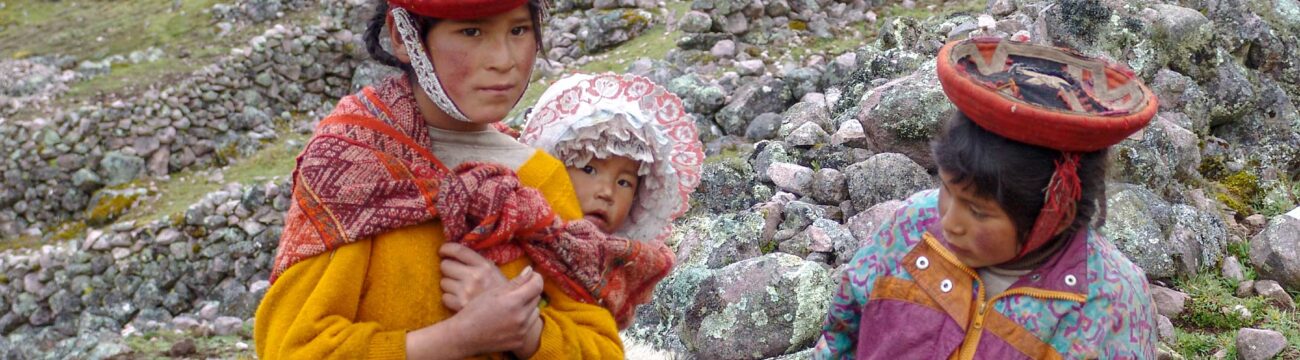
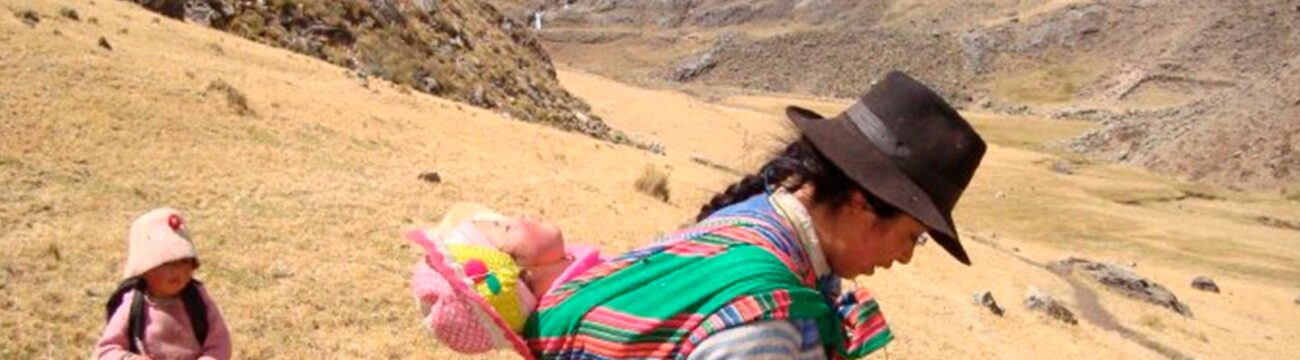
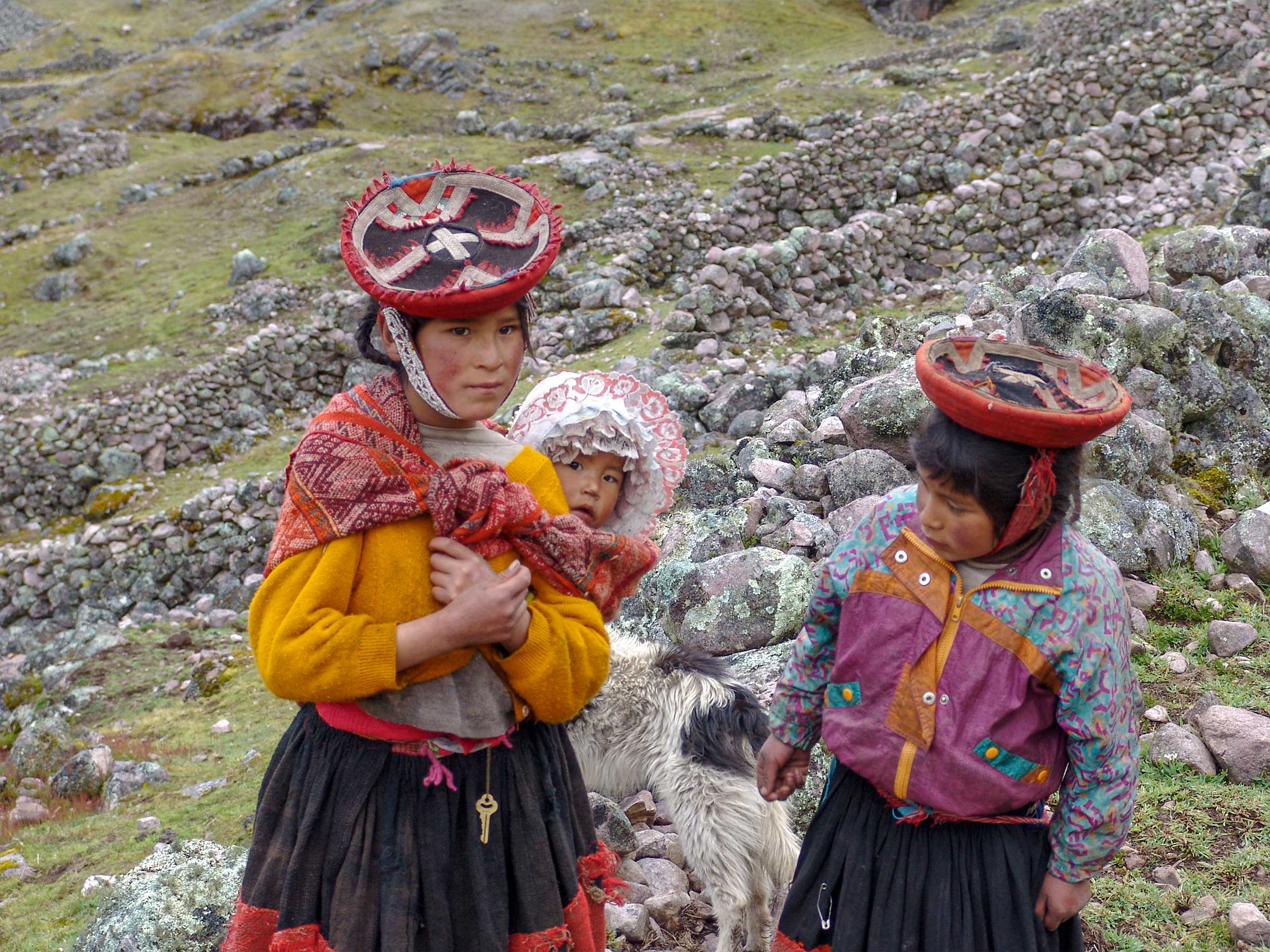
You will learn all about life in these isolated villages, become familiar with their culture and traditions, and even visit a local school.
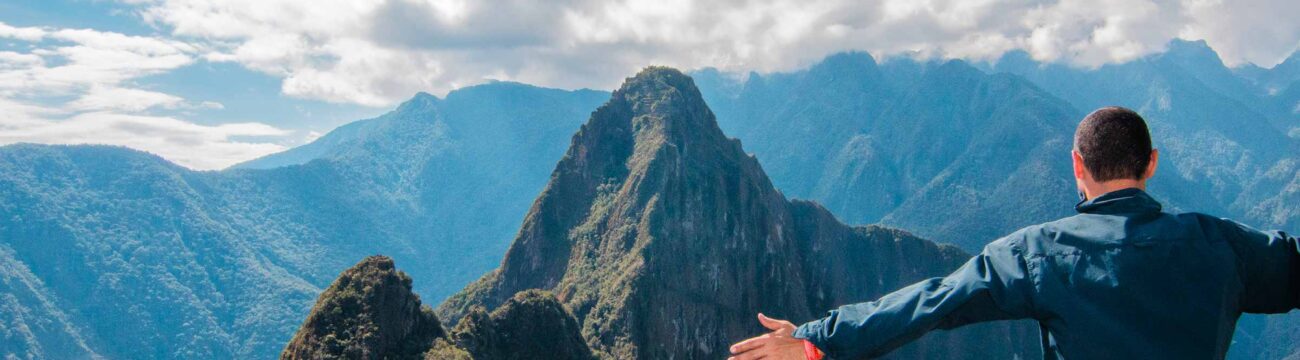
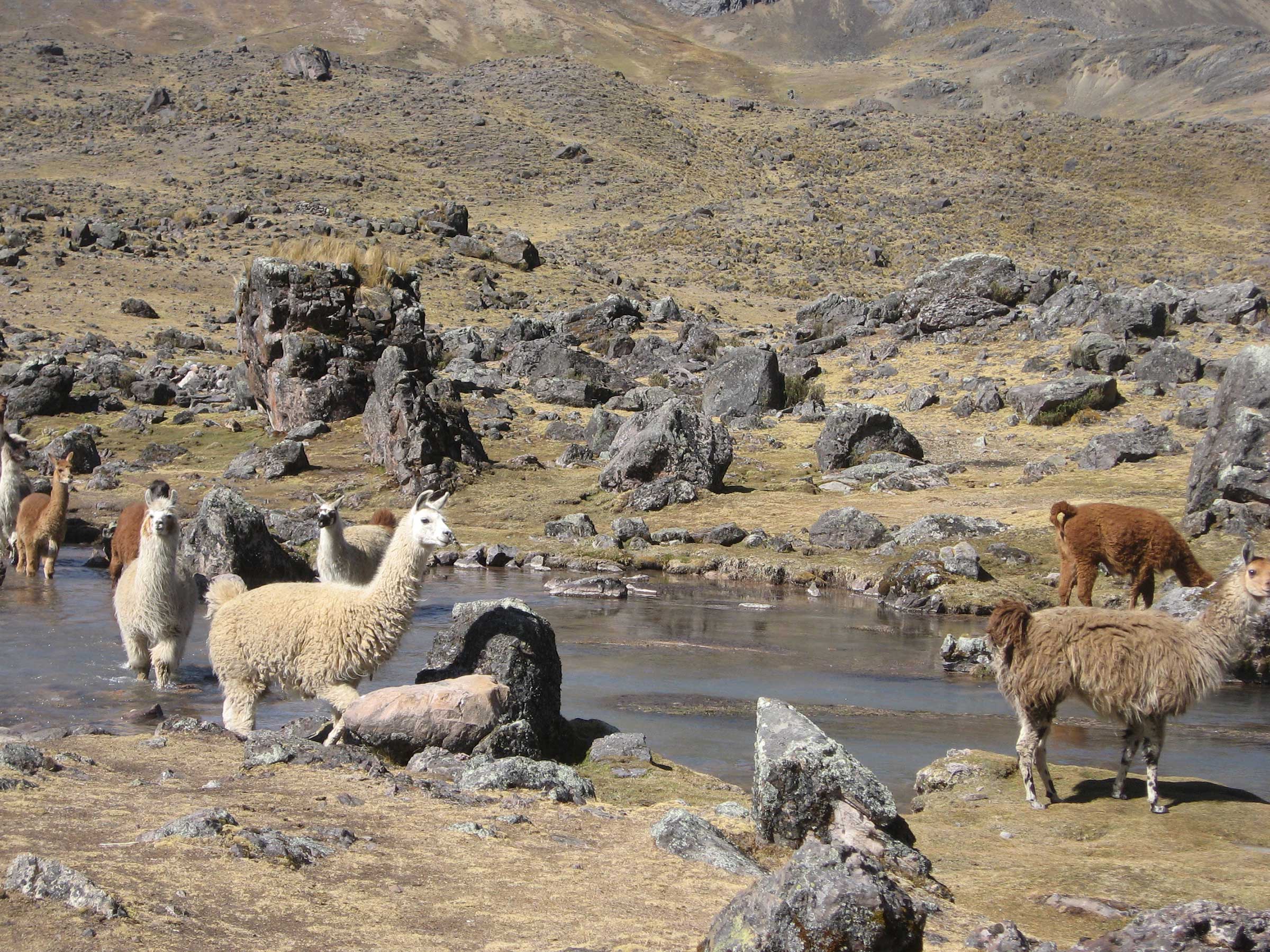
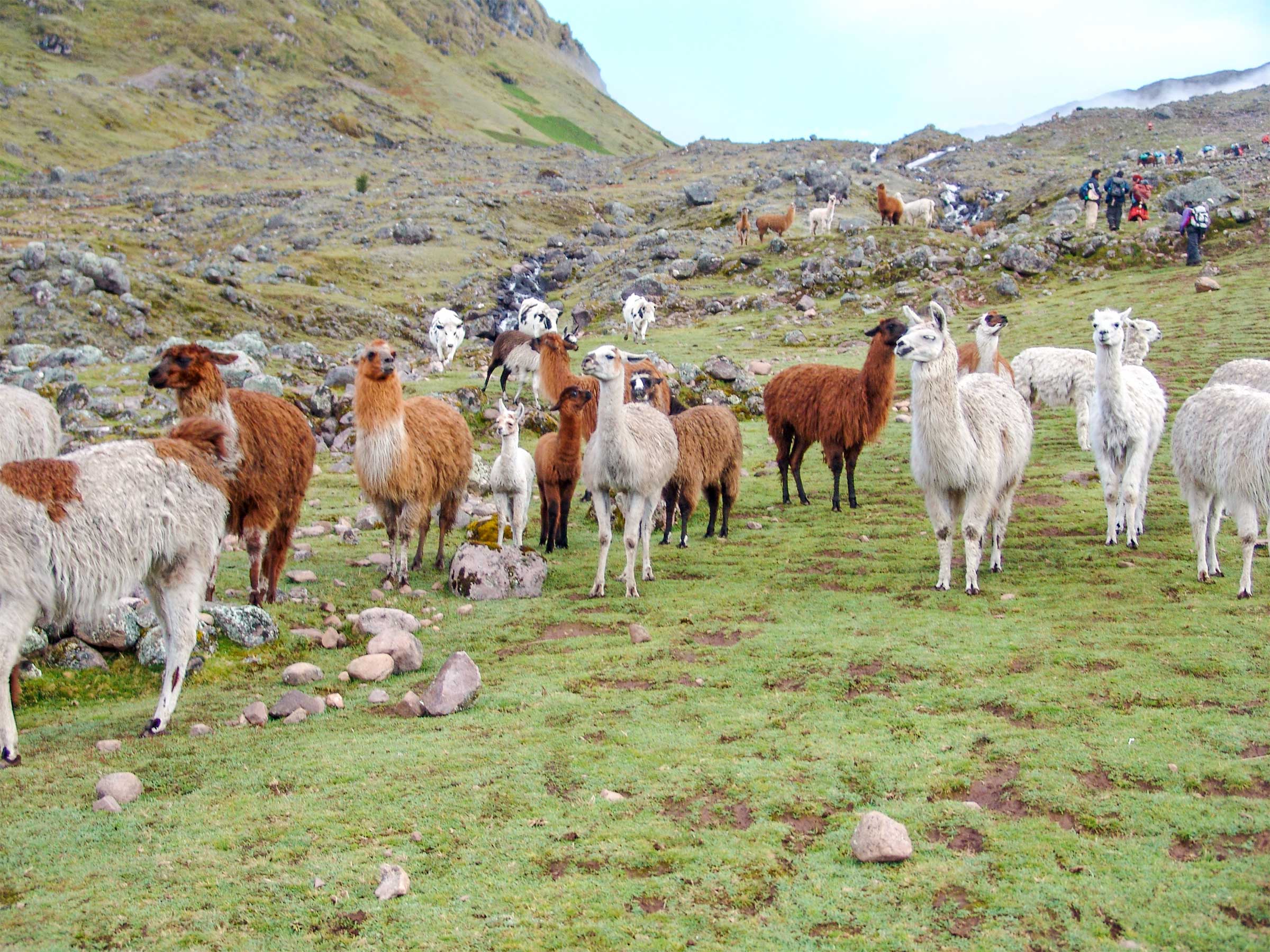
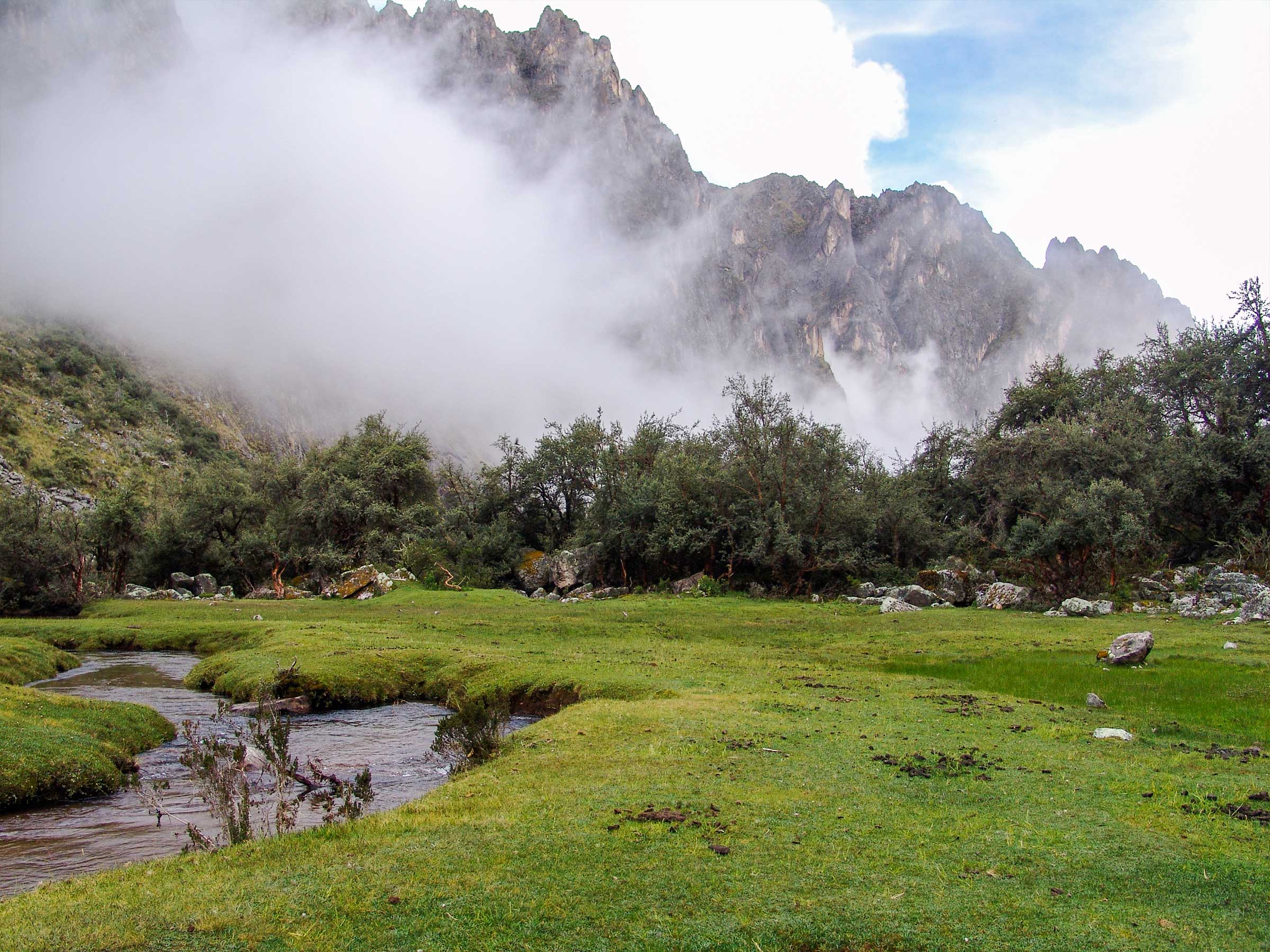
Our 4-day trek from Lares to Machu Picchu is also extraordinarily beautiful, combining majestic Andean mountains with spectacular ice glaciers, blue lakes and glaciers, breathtaking waterfalls and countless llamas and alpacas.
You will finish your trekking vacation exploring the wonder of the world: Machupicchu. The 4-day Lares Trek is an exceptional and rewarding trekking vacation in Peru. It is truly one of the beautiful treks in the world, not only in nature but also in its culture and variety of ethnic groups that inhabit it.
Compared to trekking in other places in the country, this offers a better serviced trekking route, making trekking easy and comfortable for you. However, if you are not willing to stay long in the mountains and want a more remote experience, there are unlimited opportunities for camping and remote trekking fully self contained in Peru.
The Lares Trek in Peru has captured the imagination of mountaineers and explorers for over 20 years. The lifestyle and habits of the inhabitants of the mountainous regions have not changed for generations, the people of the village offer a great sense of hospitality and welcome to hikers and mountaineers, often they are the people that hikers take their best memories with them.
At Lares Trek we offer pleasant campsites with fascinating views. To complement a trek of a lifetime, we will explore the lost city of the Incas Machu Picchu. This trip will reward you with an intriguing combination of layered mountains and history. The trail here is a less traveled but equally rewarding and challenging alternative to the Classic Inca Trail.
One of the most important parts of your trekking experience is your guide. Your local guide will be everything to you throughout the trek and for most people lifelong friendships are formed with their guides and the guides’ families. Peru is a country of friendly people belonging to many different ethnic groups, each with their own variety of culture, religion, festivals and castes, etc.
The LARES TREK is an excellent alternative to the traditional Inca trail to Machupicchu with the added advantage of visiting isolated Andean communities with long weaving traditions.
We offer you the best service at a great value, a 100% satisfaction guarantee.
Explore the lost city of Machupicchu early in the morning with sunrise options.
Visit Andean communities and learn about traditional behaviors.
We don’t want your trip to be just trekking, but we want to create a memorable trip, for that, we have spiritual ceremonies performed by local shamans, meditation sessions, and a lot of fun.
Our bus leaves Cusco at around 06:00. Its a scenic drive through the Sacred Valley, passing through Pisac and stopping for breakfast for about 40 minutes in the provincial town of Calca. In Calca you will also have the opportunity to use the bathroom and buy any last minute snacks, water, etc. Departing Calca around 08:00 we head off for the 3 hours drive to Lares (3100m) which is the starting point for the trek. Along the way you will be able to observe small Andean communities, spectacular mountain landscapes, herds of llamas and alpacas.
Before we start the trek we’ll visit the hot springs which are located in meadows just out of town. For those of you who have remembered to bring your swimwear we will take a relaxing dip in the warm waters which are famous for their medicinal powers. Feeling fully refreshed, we begin a leisurely walk up the Trapiche River Valley. After about 2½ hours we will arrive at Vilcabamba village where we will stop and have lunch. We will then continue up the valley for another 1½ hours to the small village of Huacawasi (3700m) where we will set up camp and spend the night. Walking distance approx 12km (4-5 hours).
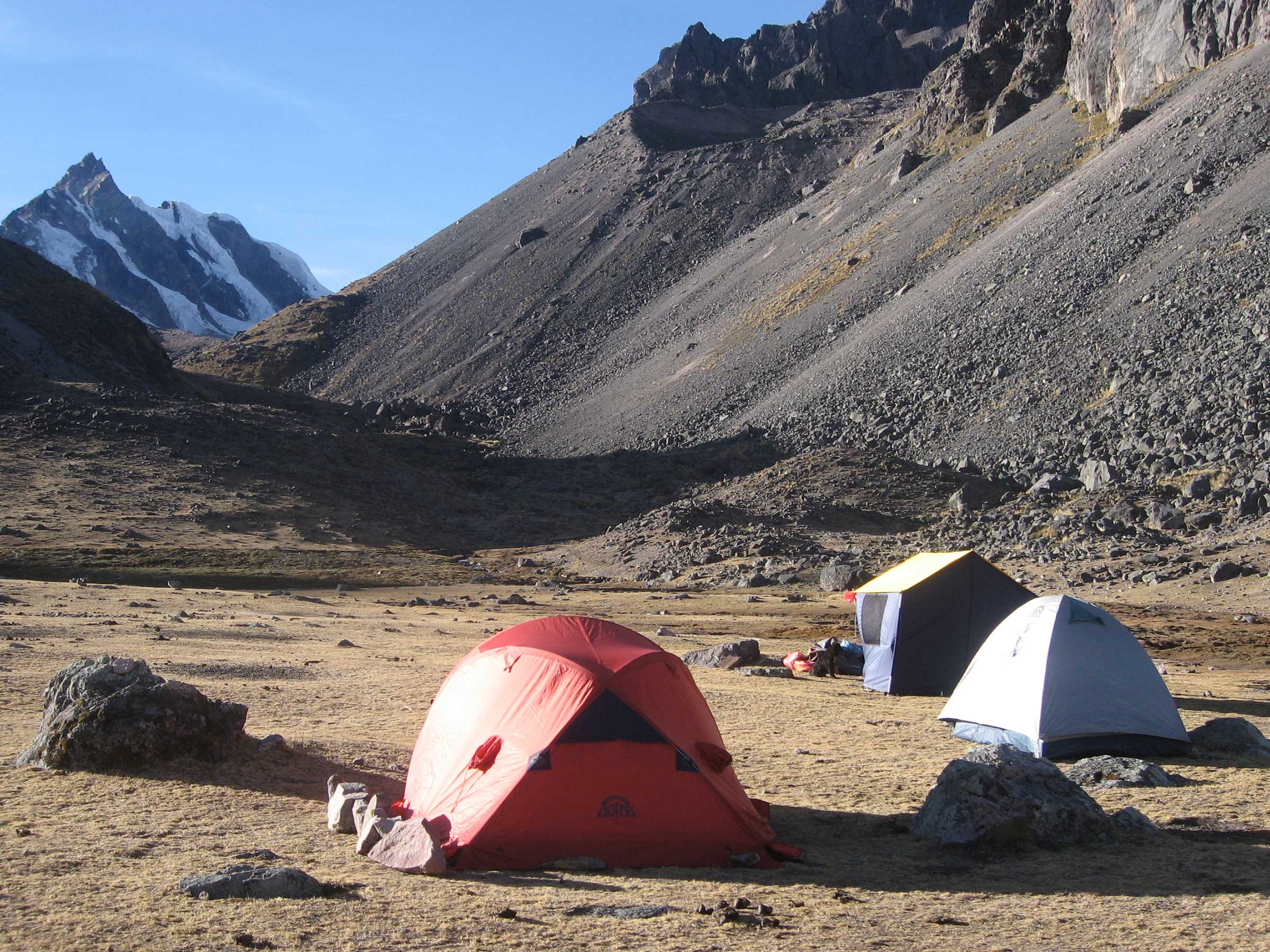
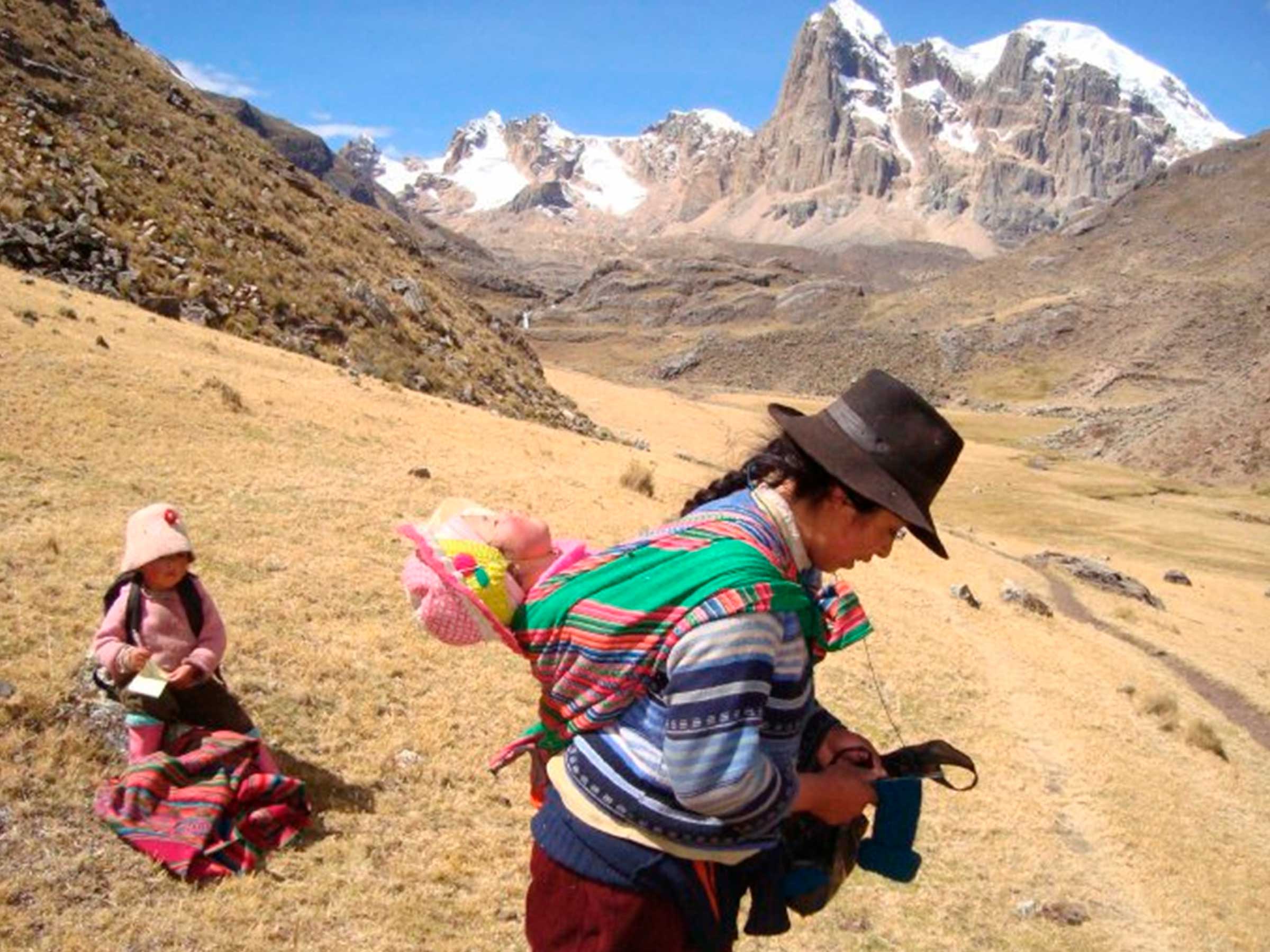
Many of the houses that we see in this small village of Huacahuasi are built from stone and have thatched roofs. The people of this village produce beautiful colourful textiles. In the morning we will learn about the weaving techniques and be able to admire some of their high quality ponchos, chullos (wool hats) and other garments. After lunch will then climb for approximately 2 hours to the top of Ipsayccasa Pass which, at 4500m, is the highest pass along the trek. From here we get stunning views of the surrounding mountains. We will descend gently for about 1 hour until we reach the site of our second night’s camp beside the beautiful Ipsaycocha Lake. We may be lucky enough to see Andean Geese, Puna Ibis and other wetland birds. Walking distance approx 9km (3-4 hours)

Today is a much easier day. After an early breakfast we’ll walk gently downhill through a wide-open valley for about 2½ hours until we arrive at the village of Patacancha. The people from this area are known locally as “Huayruros” – the name of a red and black seed reminiscent of the colour of their ponchos. We’ll have a chance to view some textiles made by the people of this community – the high quality weavings are famous for their intricate designs reflecting aspects of their everyday lives and culture. We’ll walk slowly down the valley to Willoq, another Quechua village where the locals still wear their traditional dress and are proud to maintain their cultural identity. Our transport will be waiting for us to take us further down the valley to Inca town of Ollantaytambo where we will rest and have lunch. In the early afternoon we will catch a train to Aguas Calientes. This is a spectacular journey that starts in the Quechua highlands and slowly descends to lush tropical vegetation as we near Aguas Calientes. Total journey time about 1½ hours. We’ll spend the night in a hostal in Aguas Calientes where you’ll no doubt enjoy the opportunity to soak under the hot showers!! Early night.
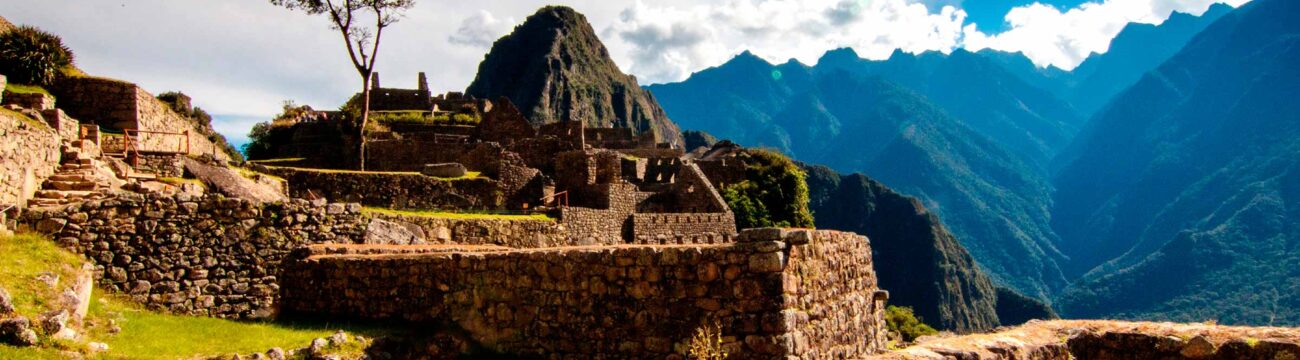
Rise early around about 04:45 !! to take one of the first buses up to Machu Picchu. I’m sure you’ll agree that, although it’s tough getting up, it’s well worth the effort to see the “Lost City of the Incas” at its quietest in the early morning light. You’ll have plenty of opportunity to take photos and have some peaceful time alone to enjoy the sun rising from behind the mountains.
Our guide will give you a tour of Machu Picchu telling you about Inca history and significance of the major sites of interest. The tour takes about 2 hours after which you will have free time to explore the ruins on your own or climb Wayna Picchu – the mountain that overlooks the ancient Inca city (allow a minimum of 1½ hours). By 11:00 Machu Picchu quickly fills up with tourists arriving by train and appears crowded by comparison with the early morning.
Most people are ready to take the bus back to Aguas Calientes around 1pm where you can have lunch in one of the many restaurants. Late afternoon train back to Ollantaytambo where a bus will be waiting to bring you back to Cusco.
The most usual way to hire a tour to Lares Trek is through the internet. However, you can also buy one in a tourist agency located in the Historic Center of Cusco. Unlike the Inca Trail, the Lares Trek does not have to be booked far in advance.
The Lares Trek has a medium difficulty. Compared to the Inca Trail or the Salkantay Trek, this route is less arduous. The only difficulty is altitude sickness, due to the trails located in high altitude geography.
The best time to do the Lares Trek is during the dry season (April to October). In those months, the sky is clearer and there is less chance of rain. Therefore, the trails are in better conditions for trekking.
One of the biggest difficulties during the Lares Trek is altitude sickness (also known as ‘soroche’).
The best way to combat this is to acclimatize to the city of Cusco a few days before the trek.
Another option is to drink plenty of water. Coca tea, for example, is a coca leaf-based drink that effectively combats the discomfort and symptoms of soroche.
The Incas, as well as the inhabitants of the Andes to this day, chew coca leaf as a remedy for this and other ailments.
There is no restriction for visitors to do the Lares Trek on their own. However, unlike other treks such as the Salkantay Trek or the Choquequirao Trek, the trails are not well marked, so it is difficult to follow the course.
To do the Lares Trek on your own, you must understand the route to follow. For this, a good map would be effective. In addition, the people who live in this region are mostly Quechua speakers.
In general, if you exercise regularly and spend a couple of days in Cusco or the Sacred Valley, you will be able to acclimatize normally. It usually takes between 24 hours and 2 days.
The recommended remedies for altitude sickness are WATER, COCA TEA and OXYGEN IF NECESSARY; our guides are trained to treat altitude sickness.
The maximum group size is 10 people. Our groups are usually between 2-6 people. We specialize in small and private groups and offer personalized service.
Of course you can! During the Choquequirao 4 Days and 3 Nights Tour, your main luggage can be stored in our office or at your hotel, both are free of charge.
The first day hike is a challenge. We recommend bringing between 70 to 100 soles in case you are not good at walking uphill so you can rent a horse on the route.